AJMAN, UAE · TECHNOLOGY & AUTOMATION
+971 58 601 1411
Industrial

The factory floor.
Connected to what’s next.

CNC integration and service, production automation, equipment integration and digital twins — designed around your site’s operating constraints.

Metalworking machine and precision-machined components

INTERFACES & ARCHITECTURE · Competencies selected to suit the equipment and scope; compatibility is assessed per project.

OPC UAMQTTModbusPROFINETEtherNet/IPISA-95
01 / CNC & machining centres

A practical route from machine to system.

Machine integration starts with the controller, the available interfaces and the production environment.

We review make, model, firmware, access rights and existing connections before defining what can be exchanged. Machine availability, manufacturer requirements and the production schedule shape the work.

  • Installation and commissioning planning, controller and network connectivity.
  • Integration of available status, production and diagnostic signals into supervisory systems.
  • Fault investigation, service records and preventive-maintenance planning.
  • Configuration backups, recovery checks and operator handover within the agreed access scope.
You receive: an interface register, connectivity diagram, commissioning results and maintenance recommendations. Controller compatibility and service boundaries are confirmed before work begins.
CNC service details
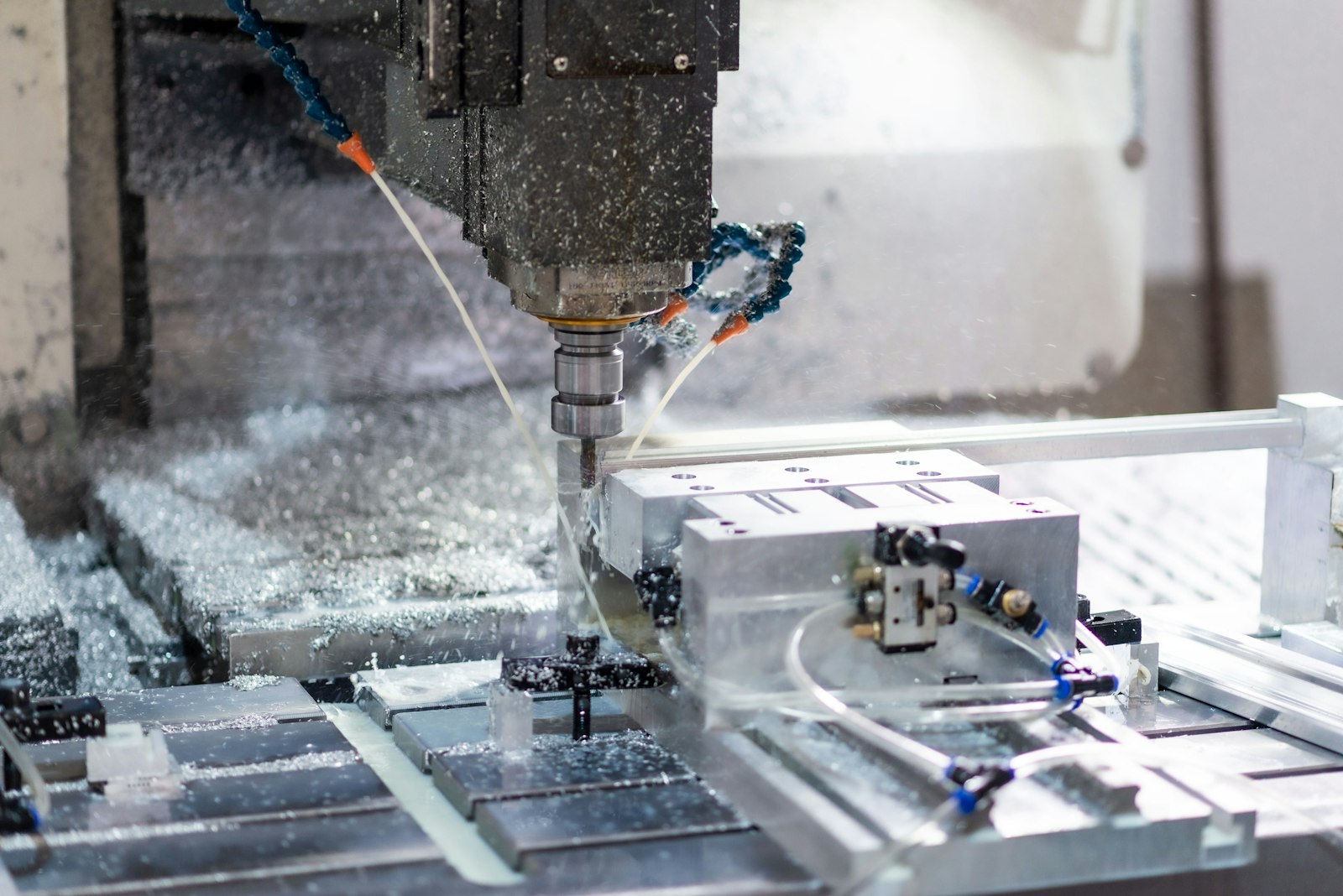
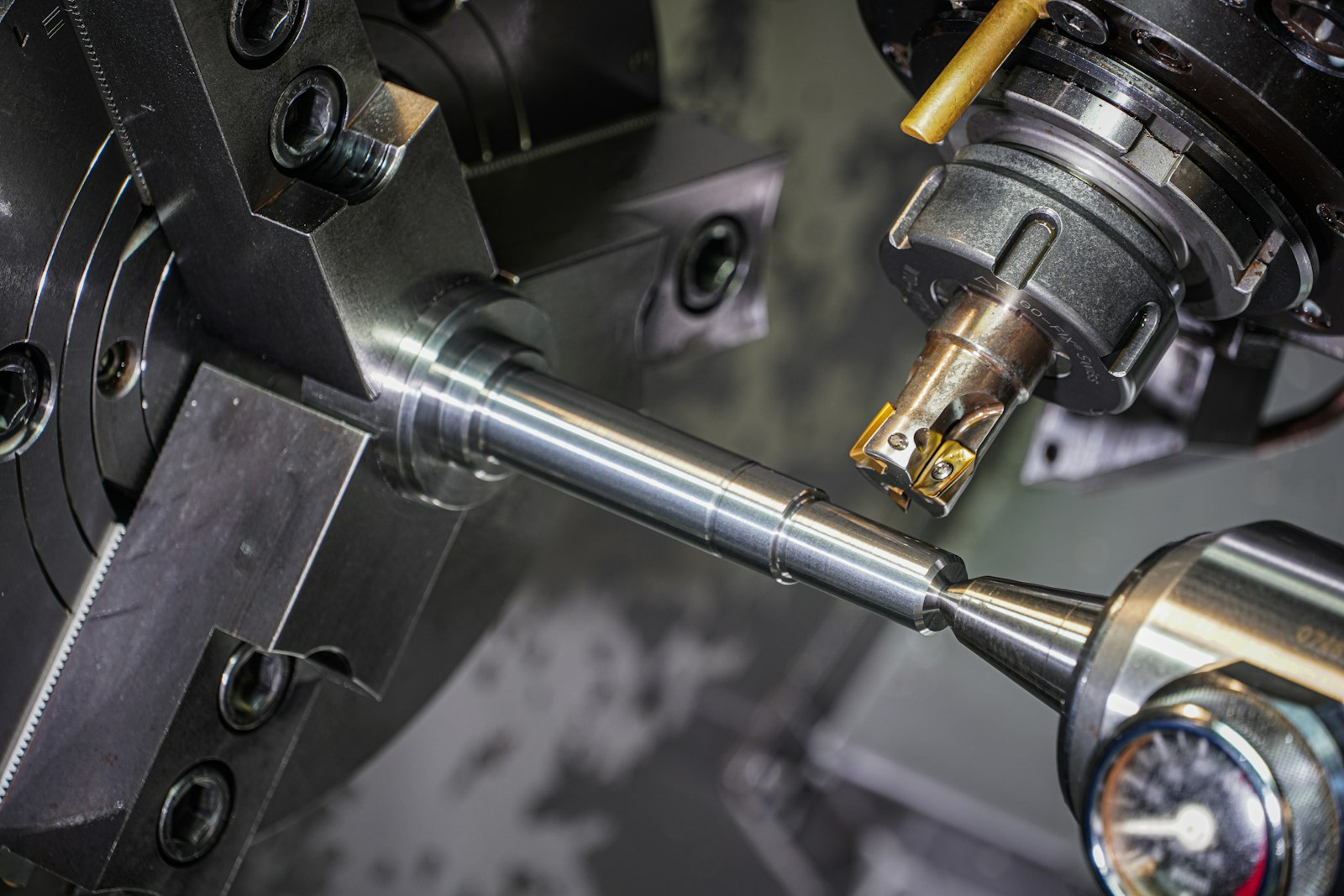
Machining equipment and tools on an industrial shop floor
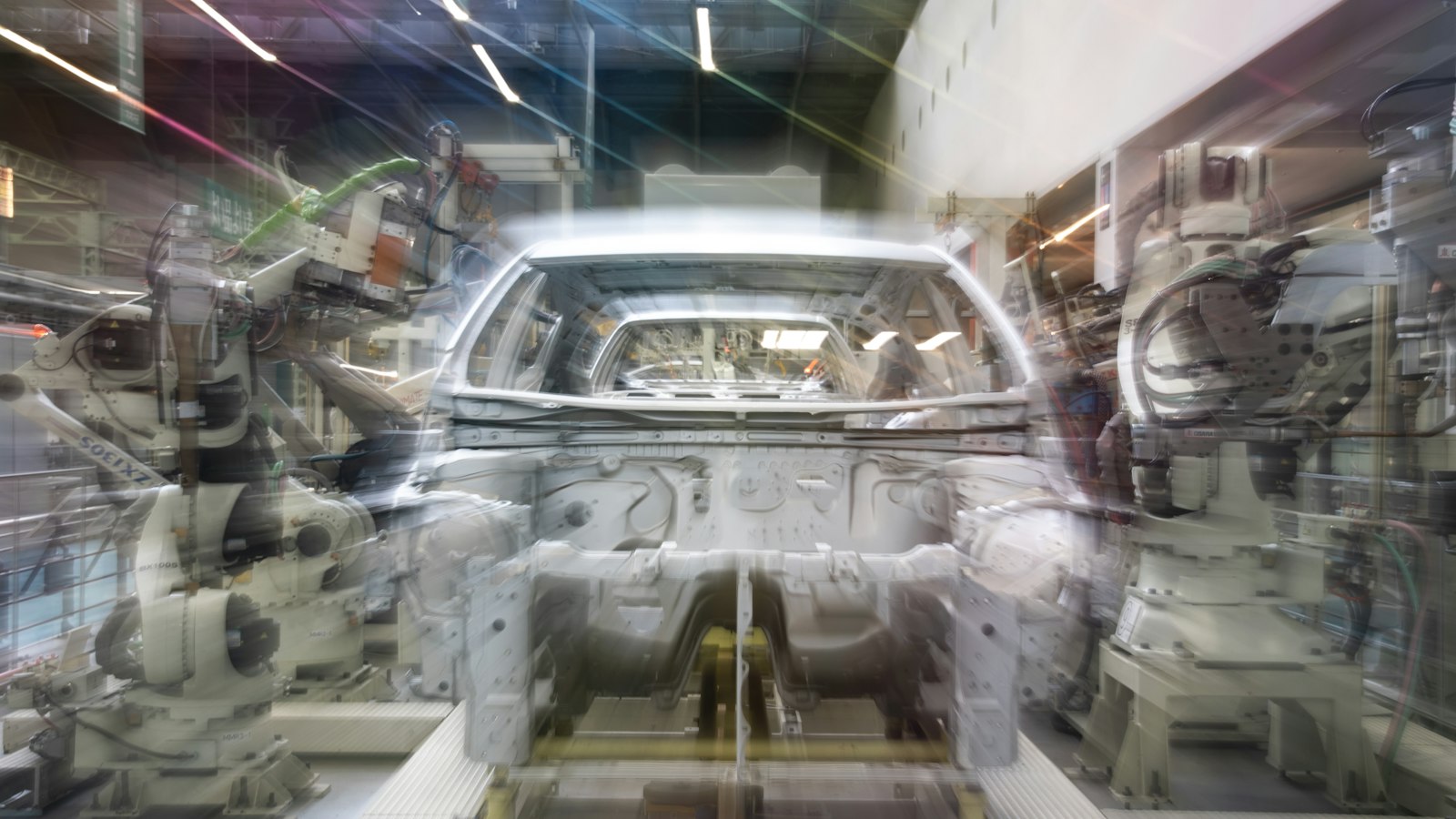
Industrial robotic arms arranged along an assembly process
02 / Production automation

Control that follows the process.

Connect sensors, control logic and operator interfaces around a defined production task.

We map sequences, signals, alarms and exception handling before implementation. PLC logic and SCADA views are reviewed with operators and maintenance staff so the design includes startup, normal running, stops and recovery.

  • Process mapping, I/O definition and functional specifications.
  • Control sequences, operator screens, alarm and event handling.
  • Staged testing before the agreed commissioning window.
  • Documented acceptance and practical operator familiarisation.
You receive: functional and I/O specifications, control backups, test evidence and operating instructions. Safety-related functions require their own agreed assessment and validation scope.
03 / Equipment & automation integration

One process.
Clearly defined interfaces.

Connect machines, robots, conveyors and software through explicit responsibilities and tested exchanges.

We document where each system begins and ends: who sends a signal, who acknowledges it and what happens if communication is lost. Integration work is coordinated with equipment suppliers and the client’s technical team.

  • Equipment and network topology, protocol selection and signal mapping.
  • Machine handshakes, supervisory data exchange and business-system interfaces.
  • Failure, restart and recovery scenarios tested across system boundaries.
  • A bounded pilot before broader deployment where practical.
You receive: an interface-control document, configuration records, end-to-end test results and a recovery runbook.
Integration service details
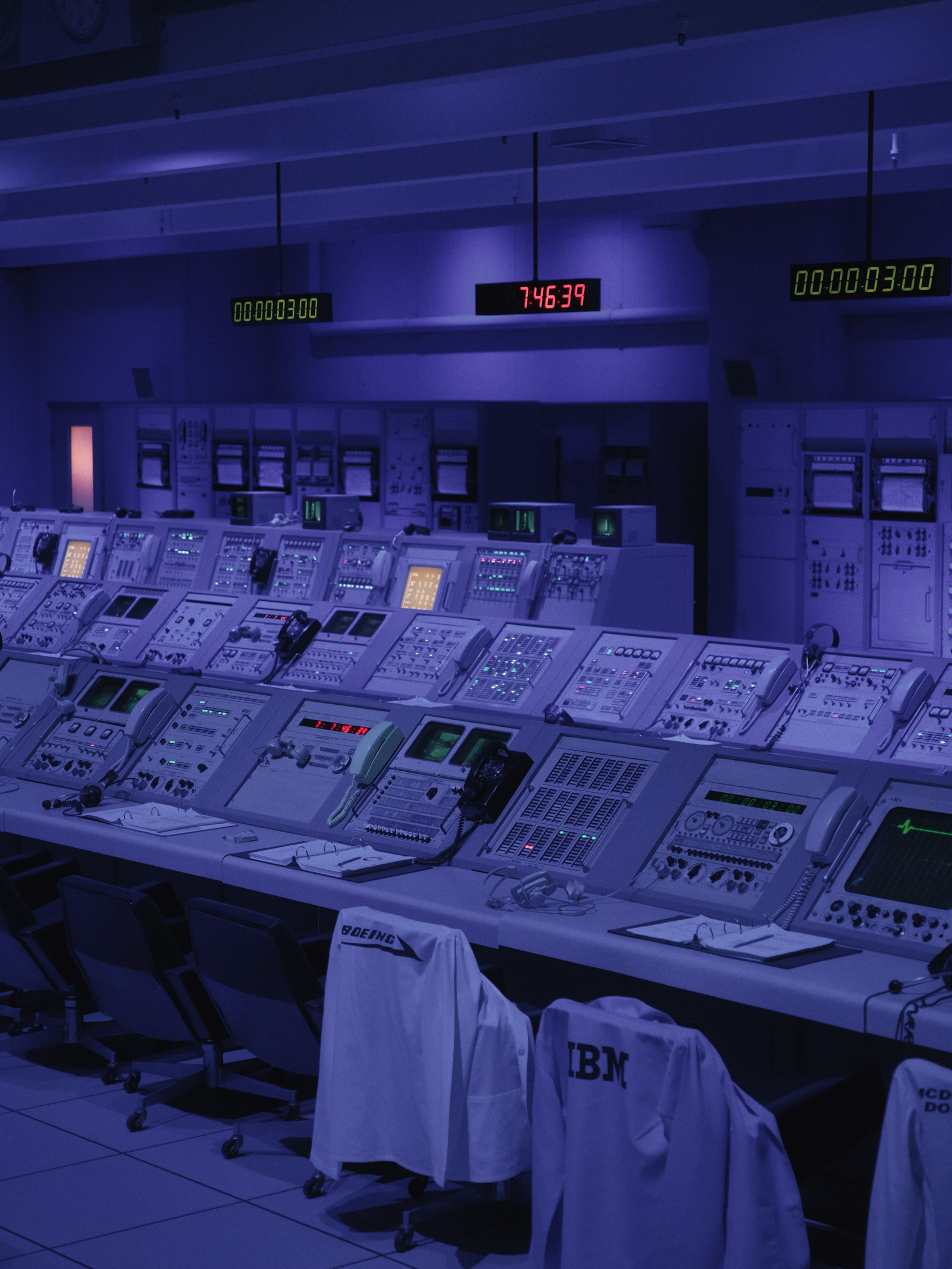
Industrial control equipment and operator monitoring stations
04 / Digital twins of industrial enterprises

A model with a purpose.
A connection to reality.

A digital twin connects a model of selected assets and processes to operational observations. It can cover a cell, a line or a wider plant, depending on the question and data available.

Equipment signals are collected and contextualised in a digital twin. Validated scenarios inform decisions; approved changes and observations feed back into the process. 01EquipmentMachines · sensors · controls02Data collectionCapture · quality · context03Digital twinModel · validate · simulate04DecisionsReview · approve · improve 01EquipmentMachines · sensors · controls02Data collectionCapture · quality · context03Digital twinModel · validate · simulate04DecisionsReview · approve · improve
Equipment → data collection → digital twin → decisions.
Observed results feed the next assessment. Control changes require a separate approval and validation process.
  1. Define the decision

    Choose a concrete question: a layout change, a bottleneck, a capacity scenario or a maintenance view. Set the model boundary and acceptance criteria.

  2. Map assets and processes

    Structure machines, production routes, dependencies and constraints. Record what is measured, estimated or outside the model.

  3. Collect and contextualise data

    Connect agreed sources through suitable interfaces. Map timestamps, units, asset identifiers and quality checks before using the data.

  4. Calibrate and validate

    Compare model behaviour with observed operating conditions. Document discrepancies, assumptions and the conditions in which results can be used.

  5. Explore scenarios

    Test changes in the model and compare their implications. Review results with production and engineering teams before approving physical changes.

  6. Hand over and maintain

    Deliver the model, data dictionary, validation report and user guide. Agree how changing assets and processes will be reflected in the twin.

A twin is a decision-support tool. Its usefulness depends on data quality, assumptions and validation; simulation results are not guarantees of plant performance.

Working on an operating site

Plan the change.
Protect the operation.

Site access, production windows, authorisations and rollback plans are agreed with the responsible client personnel.

  • Review hazards, access requirements and change responsibilities before mobilisation.
  • Keep approved configurations and recovery steps available before modifying systems.
  • Separate monitoring and decision support from machine-control changes.
  • Record tests, open issues, residual risks and acceptance decisions at handover.
Our quality & safety principles
Start a conversation

Start with a machine. Or the bigger picture.

Tell us what runs on your shop floor and what you want to connect, maintain or improve.

Discuss your project ↗